
Five types of cardiorenal syndrome are discussed. Importance of venous congestion outlined. Management strategies touched on. Pocus protocols outlined.

Acute pericarditis, constrictive pericarditis, cardiac tamponade are all covered here.

We discuss the various phases of the cardiac cycle, channels the funny K current and bradycardia

Various forms of pacing including RV, conduction system pacing, cardiac resynchronization pacing.

A systematic guide to conduction blocks covers first second and third degree sinus node and atrioventricular node block

Sudden cardiac death accounts for 50% of cardiac death. In youth less than 35 years cause is genetic and in those over 35 predominant cause is coronary disease.

Starting with a series of videos illustrating various kinds of syncope progressing to history and investigation

Myocardial infarction with normal coronary arteries. In this video we explore the topic of MI with normal coronary arteries.

Acute coronary syndromes as per ACC AHA. The guidelines for treatment including a discussion of pathogenesis and history.

Atherosclerosis is a leading cause of death responsible for heart attacks, strokes, sudden deatrths and disability from stroke and limb loss.

This video covers how the London Transport Study established physical activity as a fundamental risk factor for heart attacks a fact that still stands today. Traditional risk factors and mechanisms lead to further insights into the process.

Atherosclerosis going beyond the blocked pipe new insights into prevention and treatment. This includes a notebooklm generated video excerpts. An insight into why stents and bypass alone do not fix the problem by themselves.
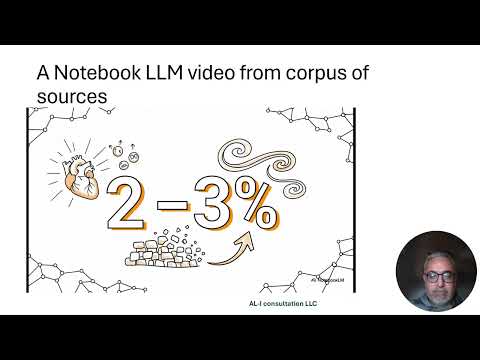
Who is vulnerable the plaque or the patient. VIdeos generated using chat gpt and notebooklm. Altered coagulation, high atherosclerosis plaque burden, inflammation are found in vulnerable patients while there are particular features of vulnerable plaques.

Details on unstable angina, NSTEMI and STEMI. Role of biomarkers and EKG are discussed. Role of diet, the lipid theory, and molecular mechanisms are addressed.

Acute coronary syndromes the coagulation cascade. Pathology of the thin cap atheroma contributes to plaque rupture. Macrophage and inflammation contribute to plaque rupture.
